
The hybrid edition of #GAconf USA 2025 was held on 29th-30th September across Zoom, Discord and the Archer hotel in Redmond.
ALL PREVIOUS CONFERENCES

A round-up of some of the great progress made in the past 6 months.
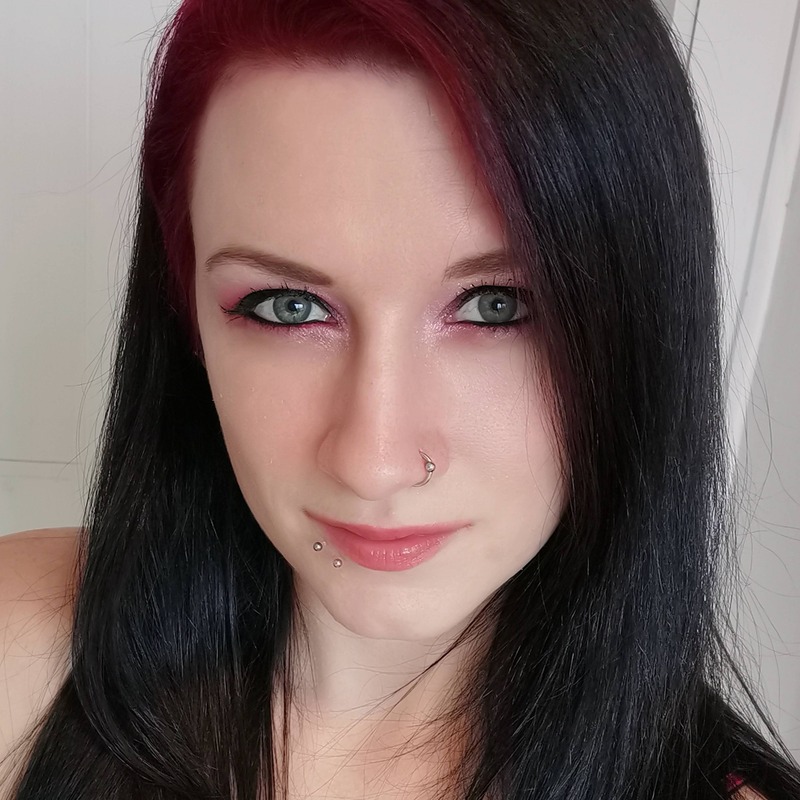
From the perspective of an indie developer, Kate shares some of her experiences and lessons learned during the process of designing and implementing accessibility features in Abiotic Factor. This talk also covers Abiotic Factor’s unique implementation of an uncommonly seen accessibility setting, misophonia mode, and how it resulted in an unexpected but touching outcome.

This session provides an overview of accessibility features supported on PlayStation 5 since launch, with detailed summary of the recently launched ‘Audio Focus’ feature.
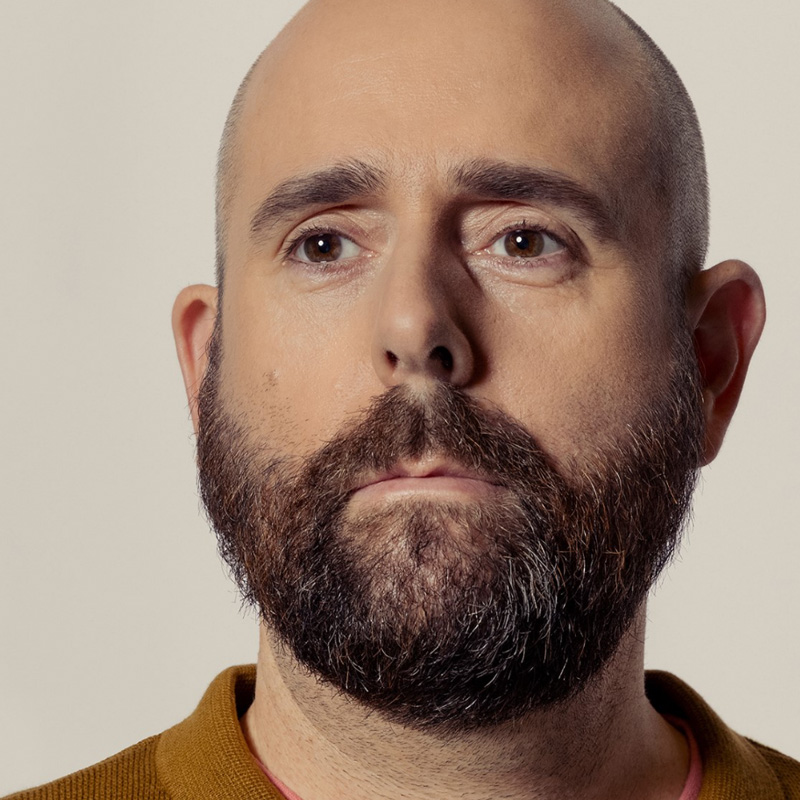
Join industry experts as they explore how to make live service games more accessible. This panel will focus on key strategies for building inclusive games that evolve over time, balancing priorities, and engaging players, all while keeping accessibility at the core of development and player communication.
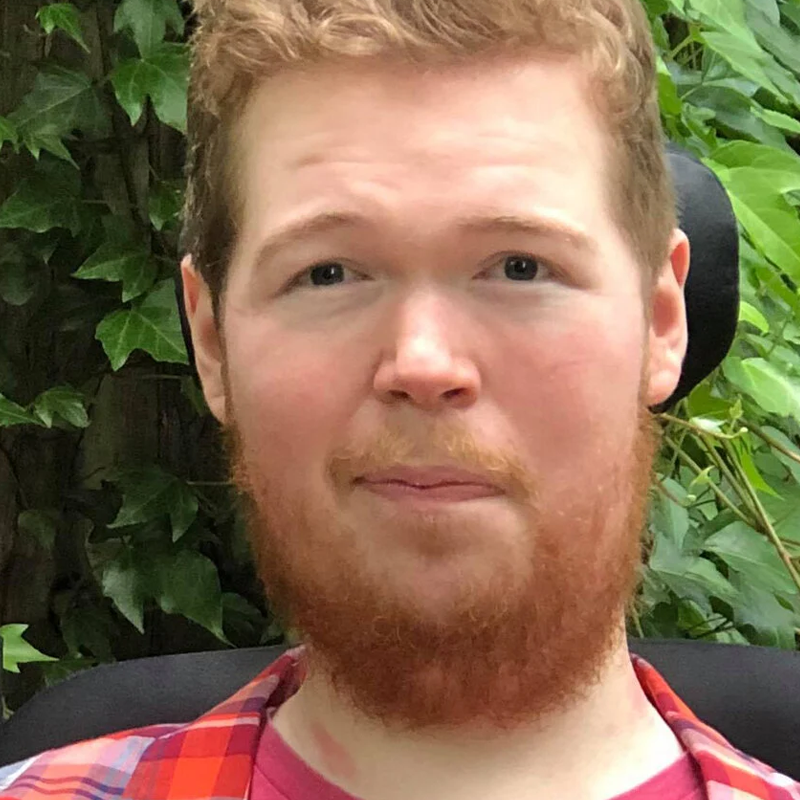
This talk explores how using accessibility barriers as design lenses creates a series of constraints for novel game designs.

In this talk, Vishnu introduces Surveyor, an exploration assistance tool designed to facilitate a sense of discovery for blind and low vision (BLV) players in 3D game worlds. Drawing on formative interviews and user testing, he discusses how Surveyor encourages deeper exploration and gives players a heightened sense of agency compared to traditional menu-based and spatial audio approaches.
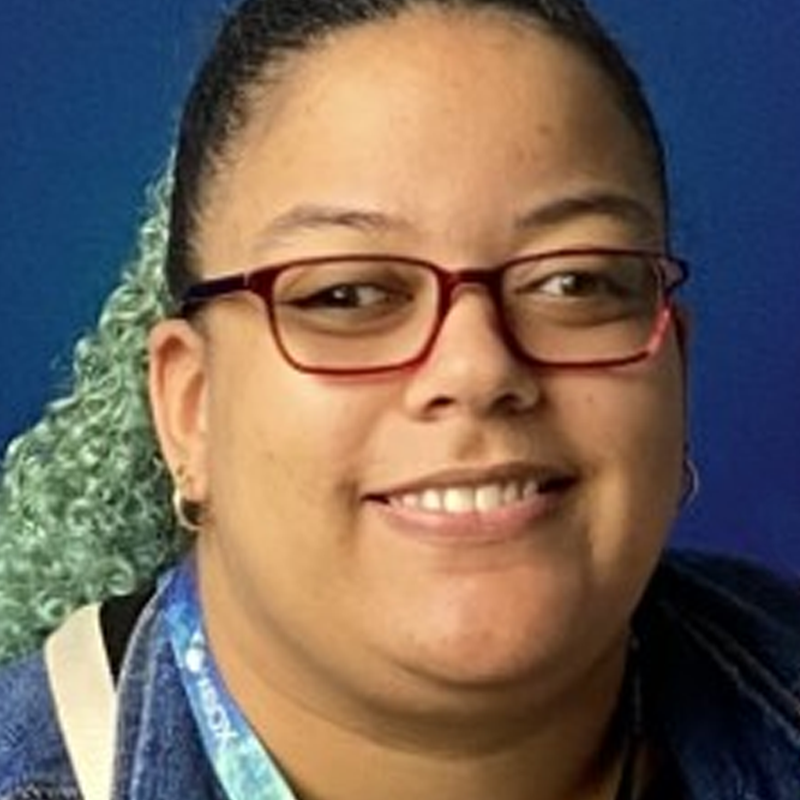
Disability representation in video games has improved over the years, but there is still much room for improvement and innovation! Kennedie Griggs (dynamicreactions) shares her favorite examples of disability representation in video games and media in hopes that we can look to the past and be inspired for the future.

Zooming out to millions of accessibility datapoints across the industry, Arman Nobari, the founder of AbleToPlay, shares bite-sized and actionable insights that drive engagement and revenue through accessibility. He will also share an exclusive early look at a new way for studios to discover, use, and measure accessibility data at scale.

This talk will share the latest progress in EA’s Accessibility Program for gaming software. We’ll cover how the program is structured, the services we provide to game teams, and how we collaborate across the company to drive accessible design. Along the way, we’ll discuss successes, challenges, and lessons learned. Attendees will gain insight into how a large-scale accessibility program operates, and leave with ideas for strengthening accessibility efforts in their own organizations.

“Weaving Accessibility into South of Midnight” explores how our accessibility journey began, some of the challenges we faced and how we developed accessibility features to create an inclusive experience for all players. It also takes a closer look at two of its main features: the Guiding Strand and the Skip feature.

In this talk, we’ll discuss about how we approached development of Squeakross to have accessibility baked in its game design right from the start.

Gaming Accessibility has dramatically accelerated in importance and priority – thanks largely to efforts to create awareness, empathy, and innovation in game development to consider the needs of all players. This panel discusses the unique and multi-faceted challenges and progress in the industry and shares general practices to help expand both the culture and integration of accessible design into the way teams think about games and game development.

Jozef’s talk will will the means in which we can improve user research practice for people with disabilities, expanding the reach of our research which in turn, helps our teams build wider reaching games. The talk highlights the challenges and barriers that have historically excluded people with disabilities from the user research process, providing various examples from their history of working in the field, alongside concrete and practical solutions. This highlights ways to bring more people with disabilities into the research process, enabling your studio to reach wider audiences with its research and in turn design more widely appealing games.

ADHD impacts millions of players worldwide, yet its unique challenges are often overlooked in game design. In this panel, experts with lived experience of ADHD will share the barriers they encounter in games, the personal strategies they use to adapt, and how intersecting conditions can shape those experiences. Together, we’ll discuss what developers can do to make games more welcoming and accessible for players with ADHD. Attendees will leave with insights, examples, and actionable ideas for designing games with ADHD in mind.

What lessons can we learn from the things around us?

With tight production schedules and countless features to test, accessibility issues—like subtitle errors—can easily slip through the cracks. This technical talk explores how modern tools such as speech recognition and optical character recognition (OCR) can be leveraged to build an automated testing pipeline for subtitle accessibility.

This talk explores the progress made toward making FC26 more accessible than its earlier installments. Accessibility isn’t a single milestone—it’s an ongoing journey that requires commitment, creativity, and collaboration across teams. We’ll share the challenges we faced, the solutions we implemented, and the lessons we learned along the way. The goal is to encourage developers to think about accessibility from the very start of production and to integrate accessible design as a natural part of game development.
I went to an arcade to see which games were accessible to me, my first time going since I became one armed. This is what I found.

Virtual reality games, especially when working with a limited budget or team size, are more greatly impacted by barriers to play than regular games. Simply playing a VR game is hindered by a lot of factors: wearing a headset, needing to physically move around, or feeling motion sick. Although players often express this as discomfort, in reality these are accessibility issues, and addressing low mobility, vision loss, hearing loss, and attentional difficulty provides a better experience for every player. This presentation will explore a range of barriers to play that are unique to VR and how they were addressed for the VR title A Knight in the Attic.

The Accessible Games Initiative is a cross-industry effort to improve players’ gameplay experiences by providing clear information about accessibility features in video games through a set of tags. Join representatives from the Accessible Games Initiative, Electronic Arts, Google, Microsoft, Nintendo, and Riot Games for tools and guidance on the implementation of the Accessible Games Initiative tags for storefronts, developers, and other tag adopters.